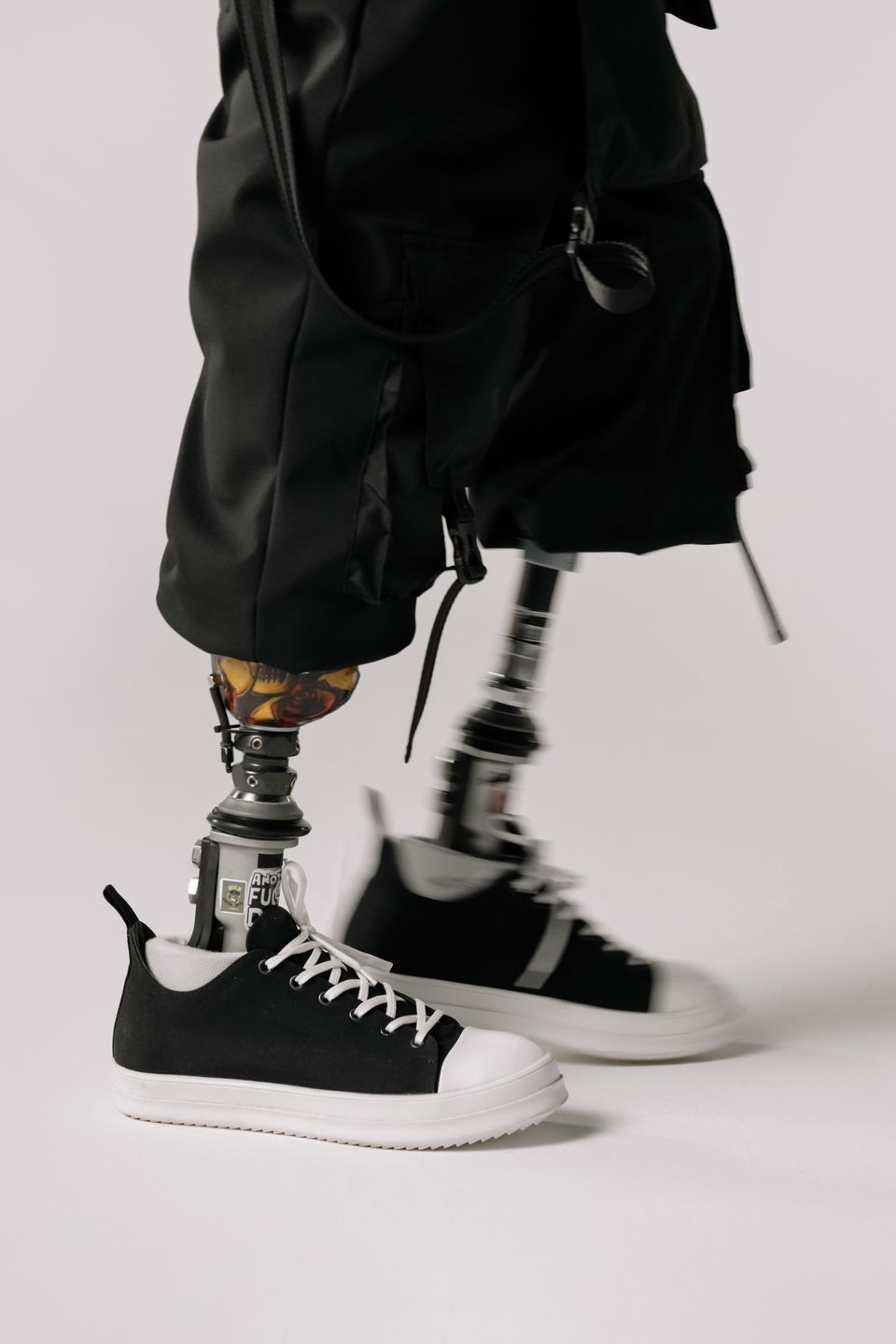
Prosthetists
Certified prosthetists leading lower-limb, upper-limb, and pediatric prescriptions — combining clinical assessment with hands-on socket modification.
What began as a small prosthetic workshop has grown into a regional center for custom orthopedic care — combining clinical craftsmanship with modern CAD/CAM manufacturing, while holding onto one belief: that every person deserves to move through the world with dignity.
For over forty years, our mission at OrthoCare Center has been to improve autonomy for individuals with mobility difficulties. Our dedicated team believes wholeheartedly in this mission and is committed to providing services that help our patients achieve their goals and make a positive impact on their lives. We firmly believe in equality for individuals with disabilities.
What does autonomy mean to us? It means a child walking into school without help. It means a parent lifting their baby. It means a worker returning to their trade. It means an older person staying in their own home. Our prostheses and orthoses are tools — the real work is the life that flows through them.
We treat each patient as a collaborator, never a case number. The prescription belongs to the clinician, but the goals belong to the patient — and only by holding both can we build a device that actually works in the life it's intended for.
A single prosthetic workshop opens its doors in Zalka, Lebanon — hand-crafting below-knee prostheses for amputees from the civil-war years. The philosophy of patient-first care is established on day one.
As the caseload grew beyond amputees, the practice expanded into custom orthotics — ankle-foot orthoses, knee braces, and spinal jackets — meeting the needs of patients with neuromuscular and orthopedic conditions across Lebanon.
A dedicated scoliosis and spine deformity program is established, with cadcam-designed Boston-style braces for adolescents and growth-aware management for younger children. The clinic becomes a referral center for pediatric orthopedic surgeons across the region.
The plaster-and-modification tradition is replaced by structured-light 3D scanning and CNC milling. The second clinic opens in Baabda, Mount Lebanon — becoming the home of the CAD/CAM workshop and the center for cranial helmetting and molded seating.
The pediatric service is formalized, with a dedicated team for cranial helmetting, growth-guided bracing, and molded seating for severe neuromuscular conditions. Canfit software integrates X-ray imaging directly into brace design.
Every device we deliver now comes with six-month scheduled reviews and lifetime access to refits and adjustments. More than five thousand active patients are under our care — and we plan to keep moving with them for decades to come.
When a difficult clinical choice has to be made, these are the principles we return to.
A device only succeeds if the person wearing it succeeds. Goals, anatomy, and lifestyle define the prescription — never the catalog or the component inventory.
We firmly believe in equality for individuals with disabilities. The same access, the same dignity, the same standard of care — regardless of insurance status, origin, or age.
Modern CAD/CAM manufacturing does not replace the prosthetist's hands — it amplifies them. We pair digital precision with traditional finishing craft in every device.
A prosthesis or orthosis is a relationship, not a transaction. Six-monthly reviews and lifetime adjustments are built into every device we deliver — not sold as extras.
The field moves — new components, new materials, new surgical techniques. Our clinicians train continuously and we invest in the equipment that keeps our practice at the standard our patients deserve.
The family is part of the treatment team. We educate, support, and stay reachable — because the moments between appointments are when the device actually lives with the patient.
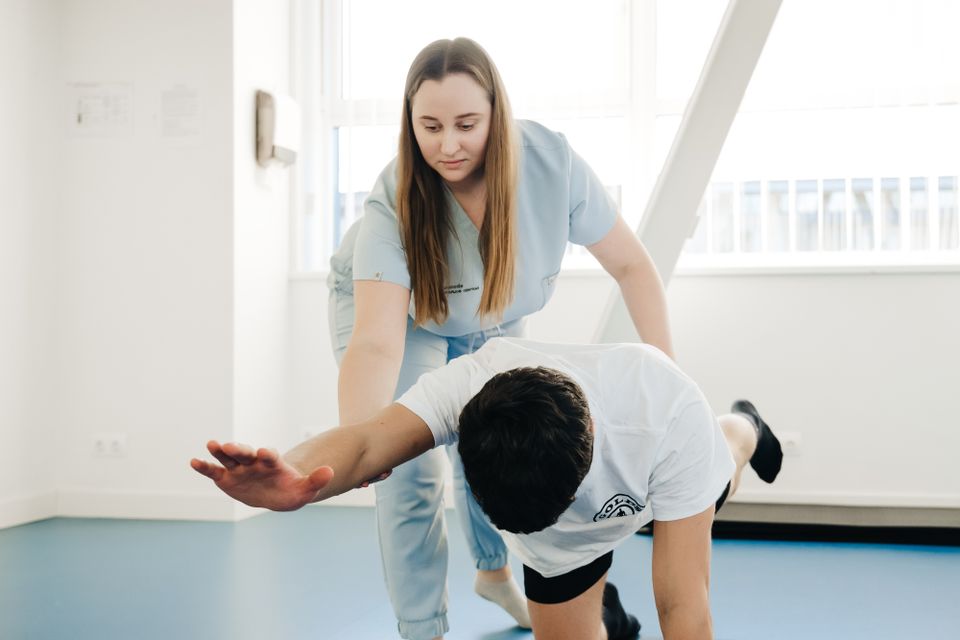
Certified prosthetists, orthotists, CAD/CAM technicians, and patient coordinators — working together in-house from scan to delivery.
Certified prosthetists leading lower-limb, upper-limb, and pediatric prescriptions — combining clinical assessment with hands-on socket modification.
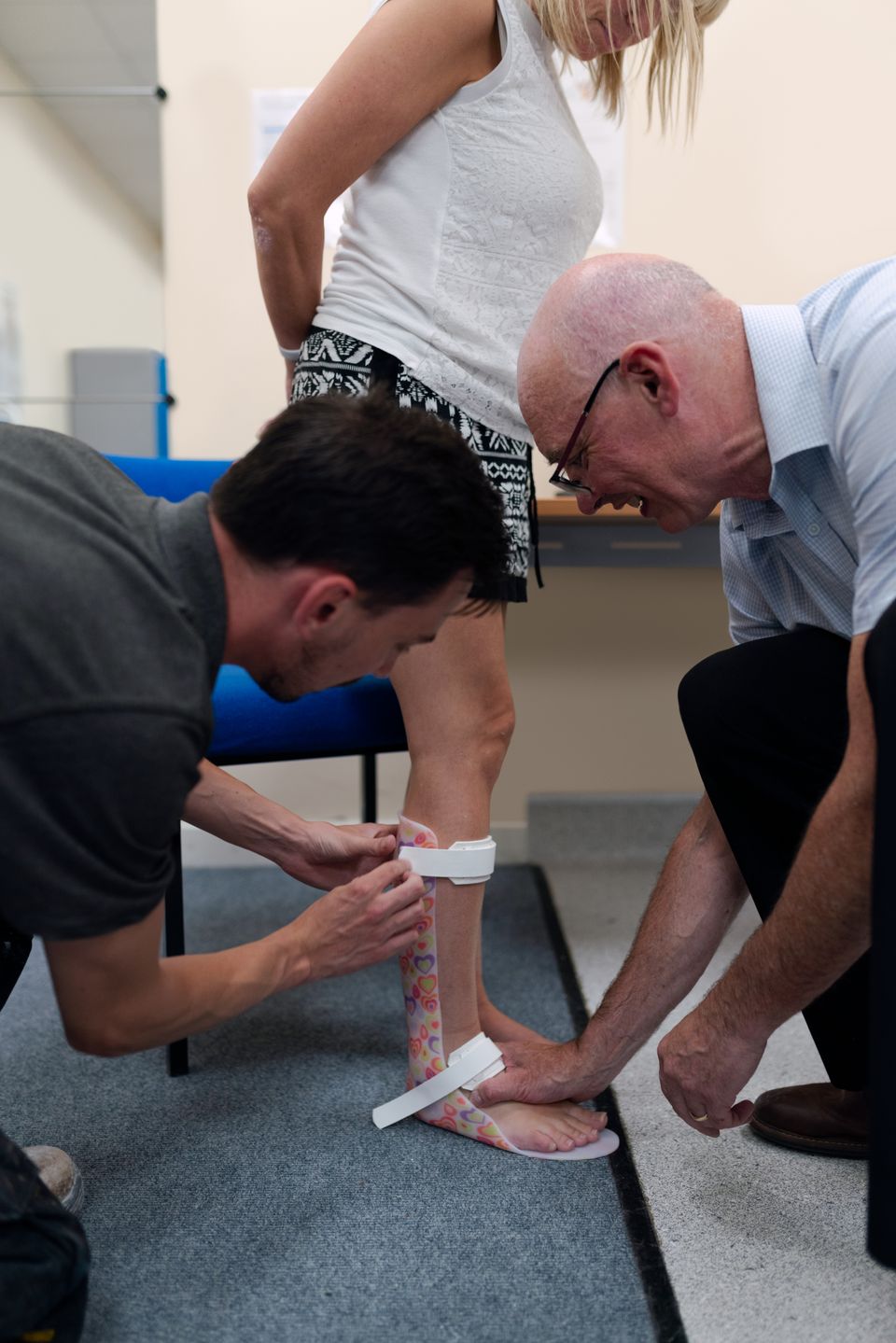
Specialists in upper-extremity, lower-extremity, and spinal bracing — translating surgical, neurological, and growth considerations into corrective and supportive devices.
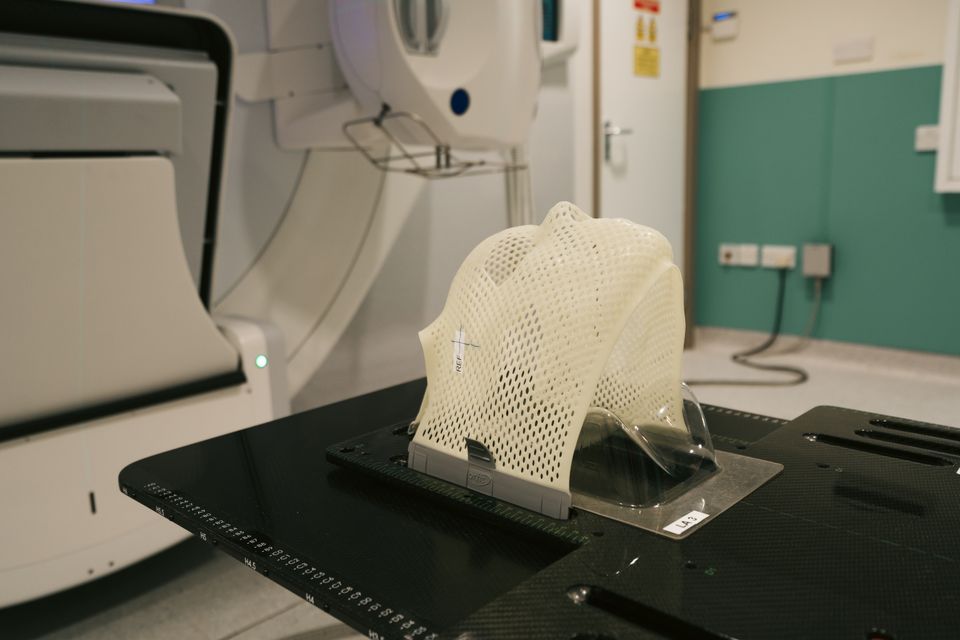
The in-house workshop team — running structured-light scanners, Canfit design software, 5-axis CNC mills, and SLS 3D printers to fabricate every device to specification.
The voice at the other end of the phone — scheduling appointments, handling insurance documentation, coordinating with surgeons, and making sure nothing falls through the gaps.
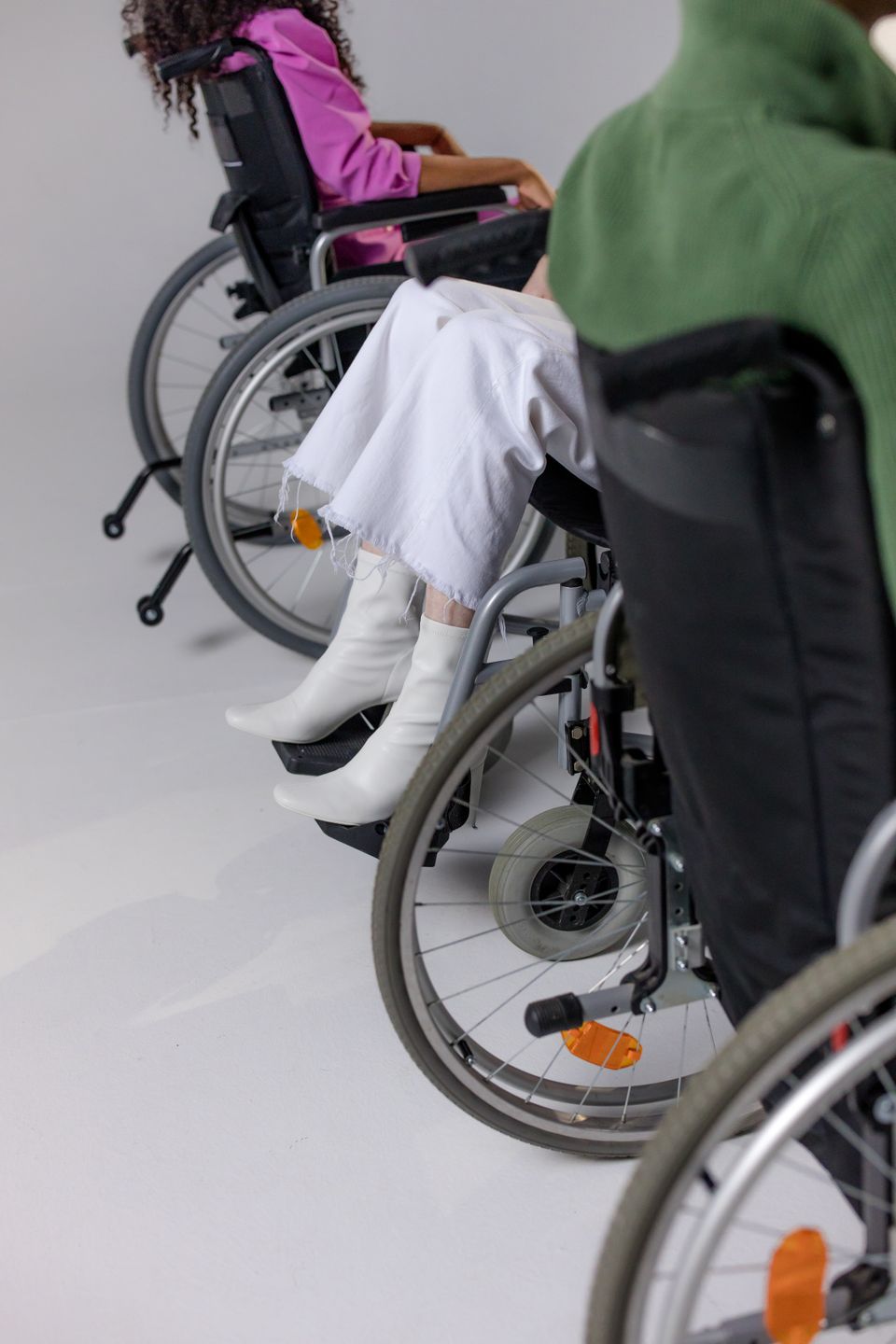
OrthoCare Center operates two fully equipped clinics in Lebanon — both wheelchair accessible, both with in-house scanning and fabrication facilities, and both sharing a single patient record system so your file moves with you.
Roufael Abou Jaoudeh Street, Zalka, Lebanon. The original site of the practice and our main clinical hub — prosthetic, orthotic, and spine services operate here, alongside the central patient coordination team.
Our second site in Mount Lebanon and home of the in-house CAD/CAM workshop — running the structured-light scanners, 5-axis CNC mills, and 3D printers. Pediatric services, cranial helmetting, and molded seating operate primarily from this clinic.
The first day I put on my new leg, the prosthetist asked me one question: "What do you want to be able to do that you can't do today?" That's when I knew I was in the right place. Six months later, I'm doing all of it.
The first conversation is free, the goals are yours, and the device will be made for you — not for a catalog. We'd love to meet you.