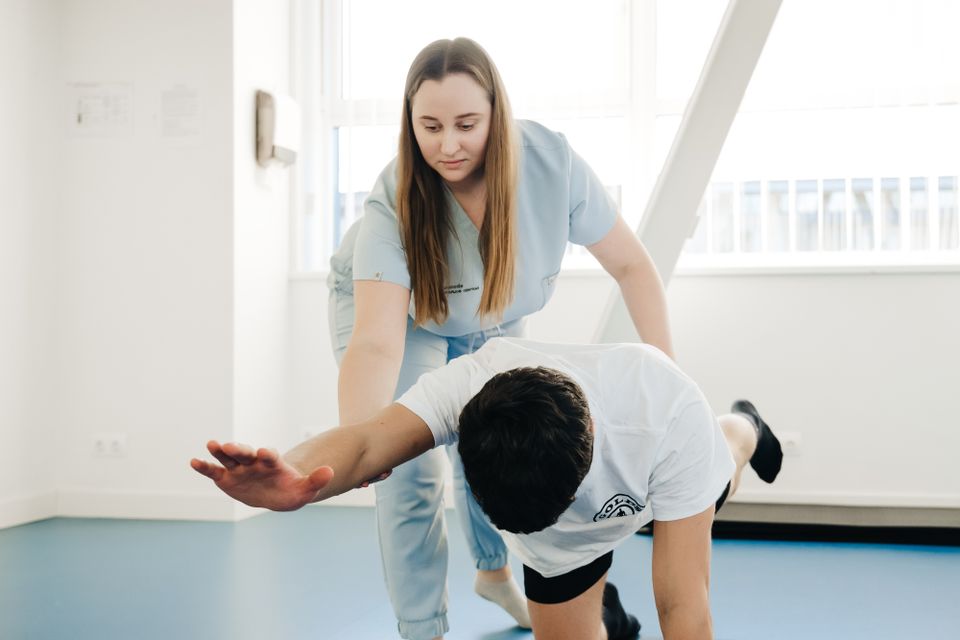
Every product on this page is designed and fabricated in-house, from a 3D scan of the patient who will wear it. Nothing is off-the-shelf — everything is built to order.
Modular systems combining a custom socket with a prosthetic foot, ankle, or knee component matched to the patient's activity level — from household mobility to competitive sport.
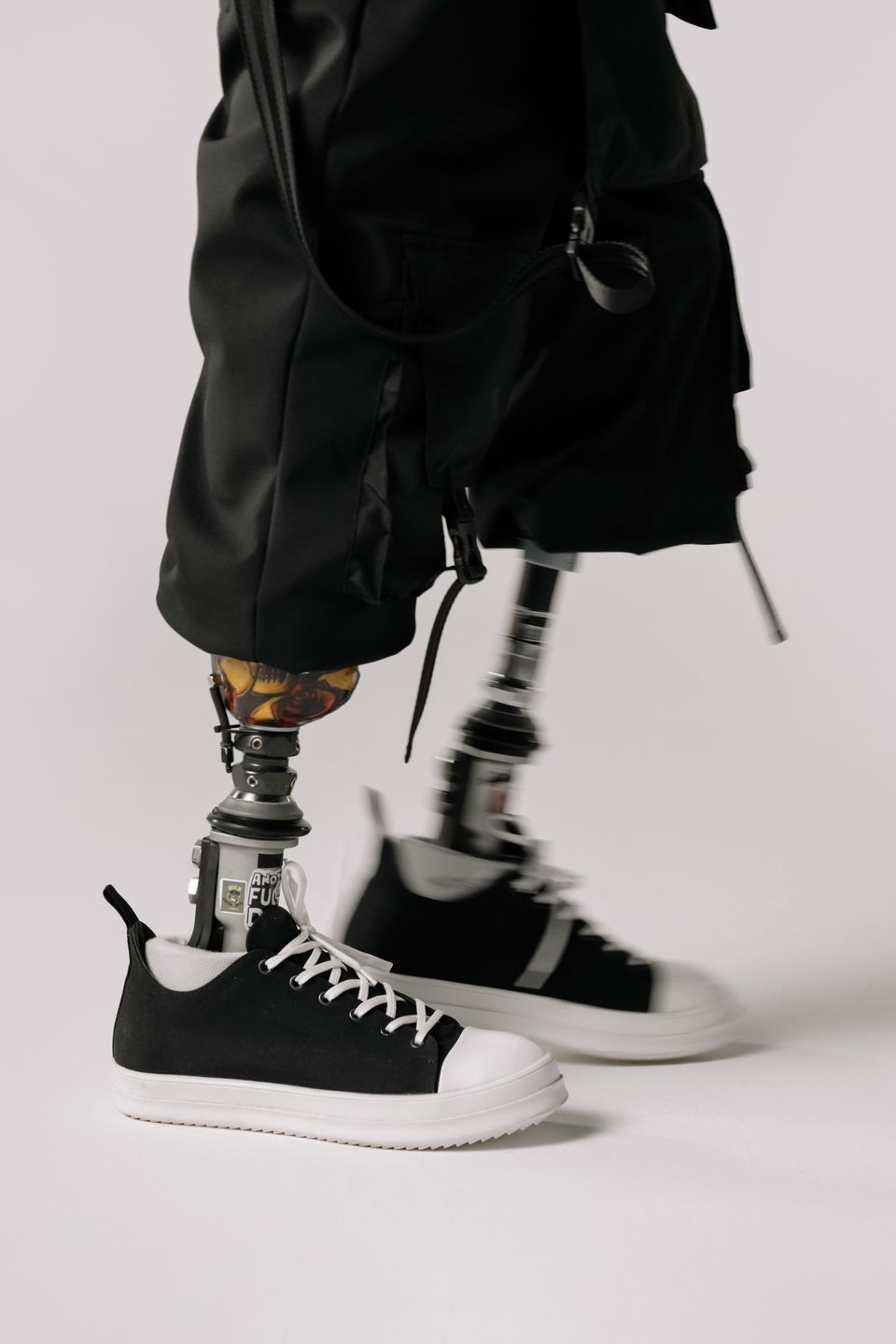
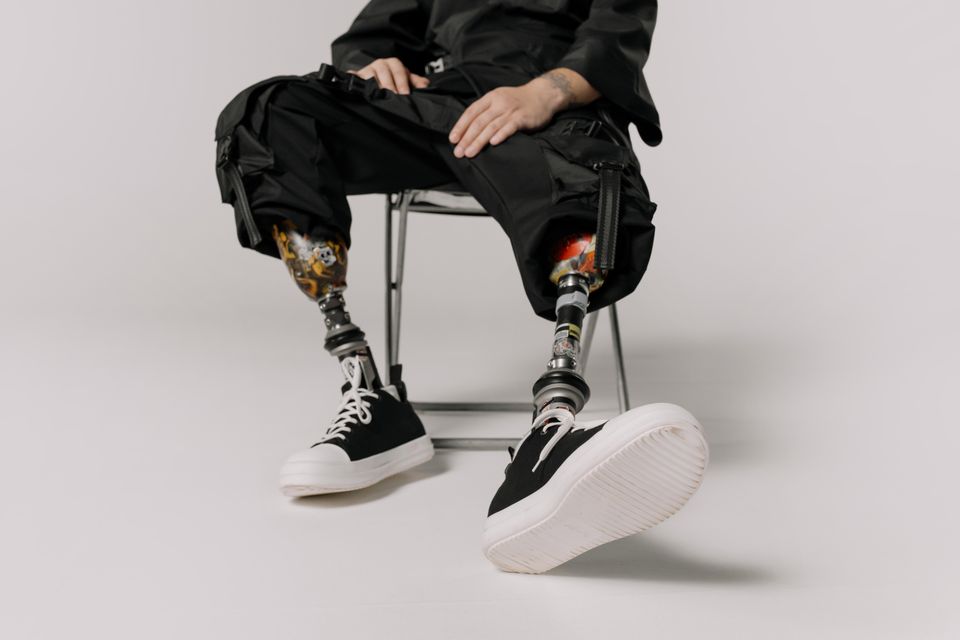
Transtibial
Below-Knee Prosthesis
Custom socket paired with a modular foot — from a basic SACH for low mobility to energy-storing dynamic-response feet for active users. Suspension by silicone liner with pin or vacuum.
Energy-return foot options
Vacuum-assisted suspension
Cosmetic silicone cover
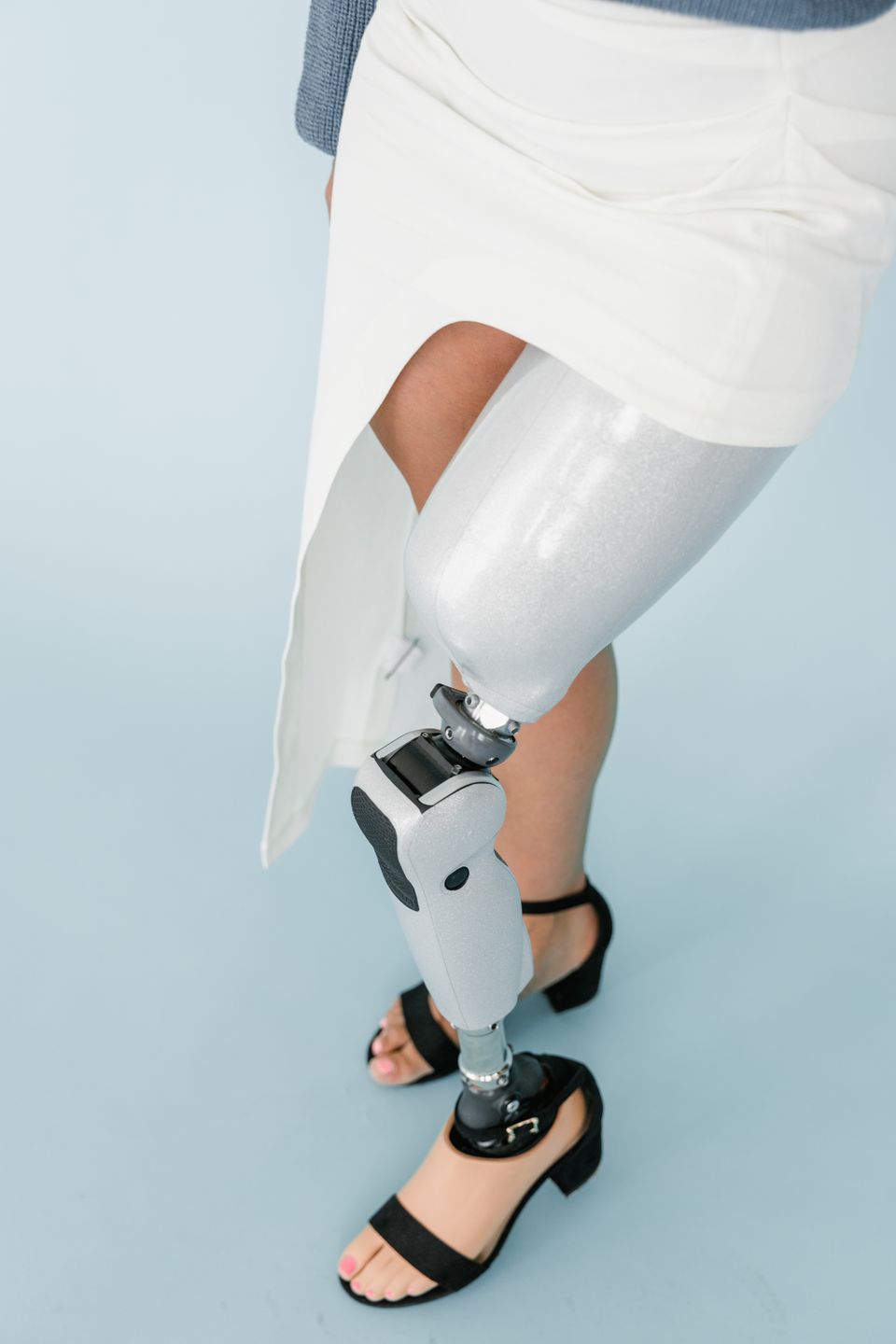
Transfemoral
Above-Knee Prosthesis
Custom socket paired with a prosthetic knee — mechanical for stability, polycentric for hydraulic flow, or microprocessor-controlled for natural gait on stairs, ramps, and uneven terrain.
Microprocessor knee option
Ischial-ramal or sub-ischial socket
Hip-disarticulation configurations
Syme's
Ankle Disarticulation Prosthesis
A specialized prosthesis for Syme's amputation — using the bulbous residual limb end for weight-bearing, with a custom windowed socket and a dynamic-response prosthetic foot.
End-bearing socket design
Posterior opening for entry
High activity tolerance
Category 02
Upper-limb prosthetics
From myoelectric arms with battery-powered hands to high-definition silicone fingers and adaptive recreational attachments — the right upper-limb solution depends on amputation level, control strategy, and the patient's functional priorities.
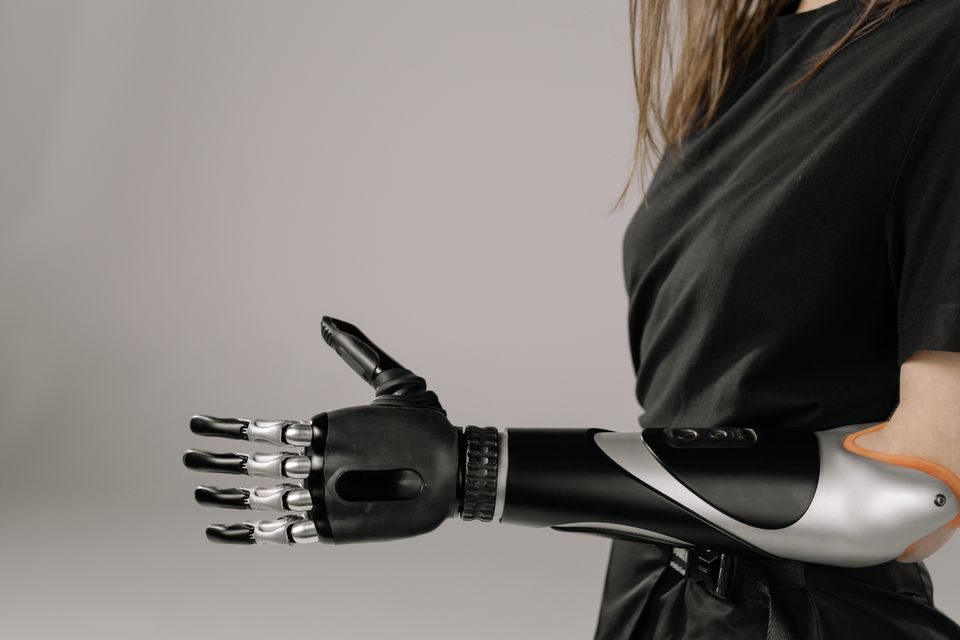
Myoelectric
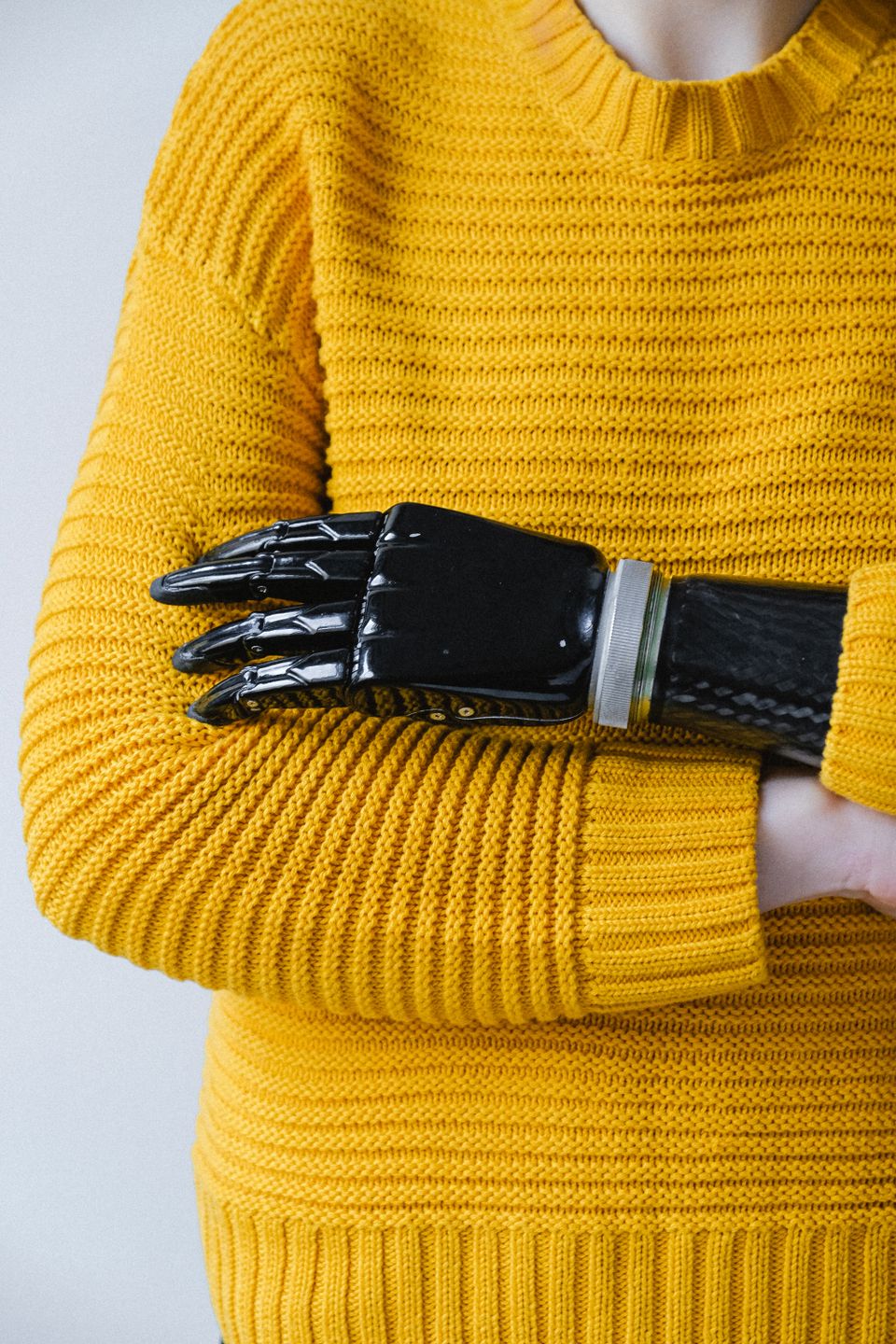
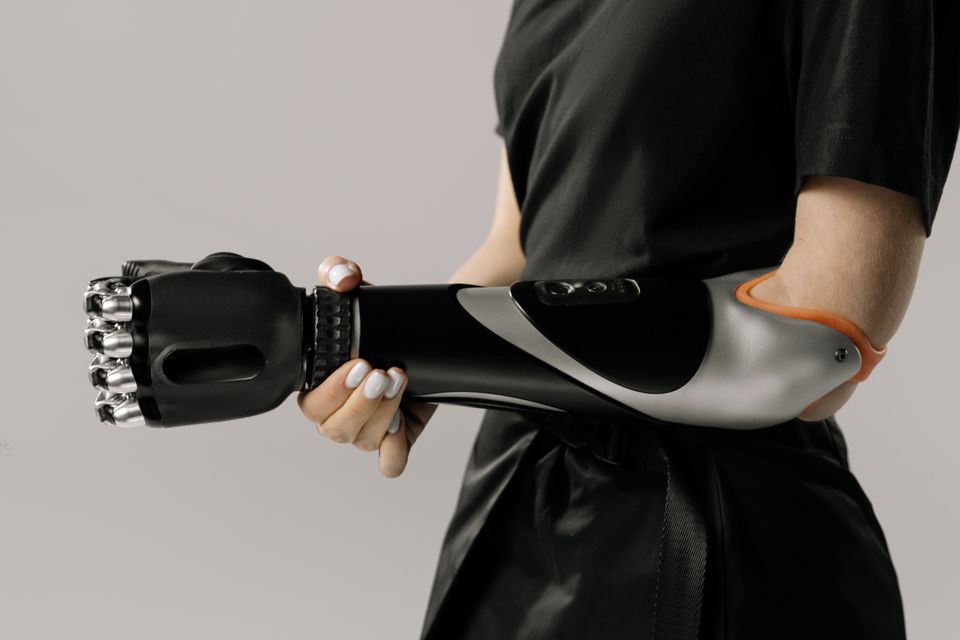
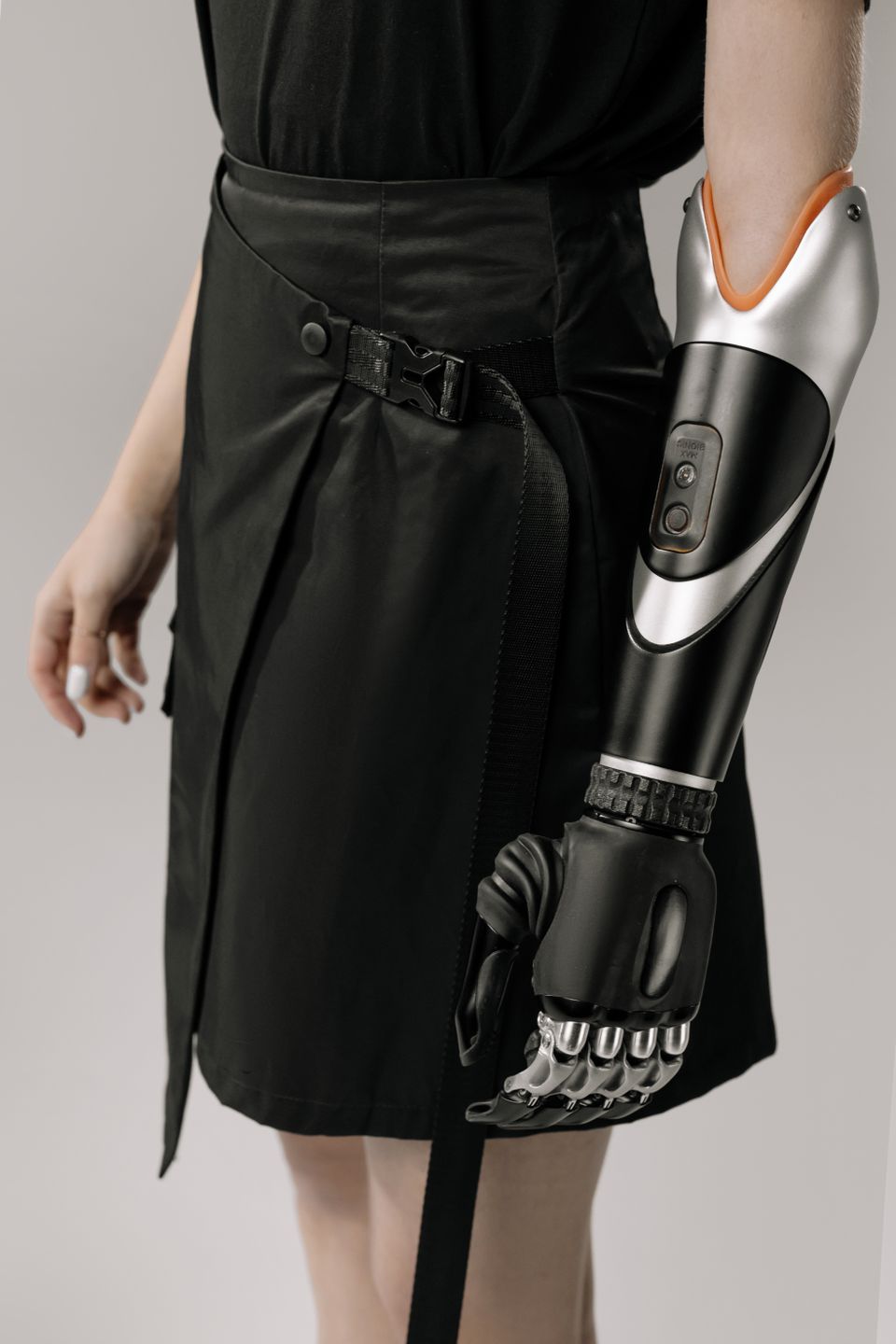
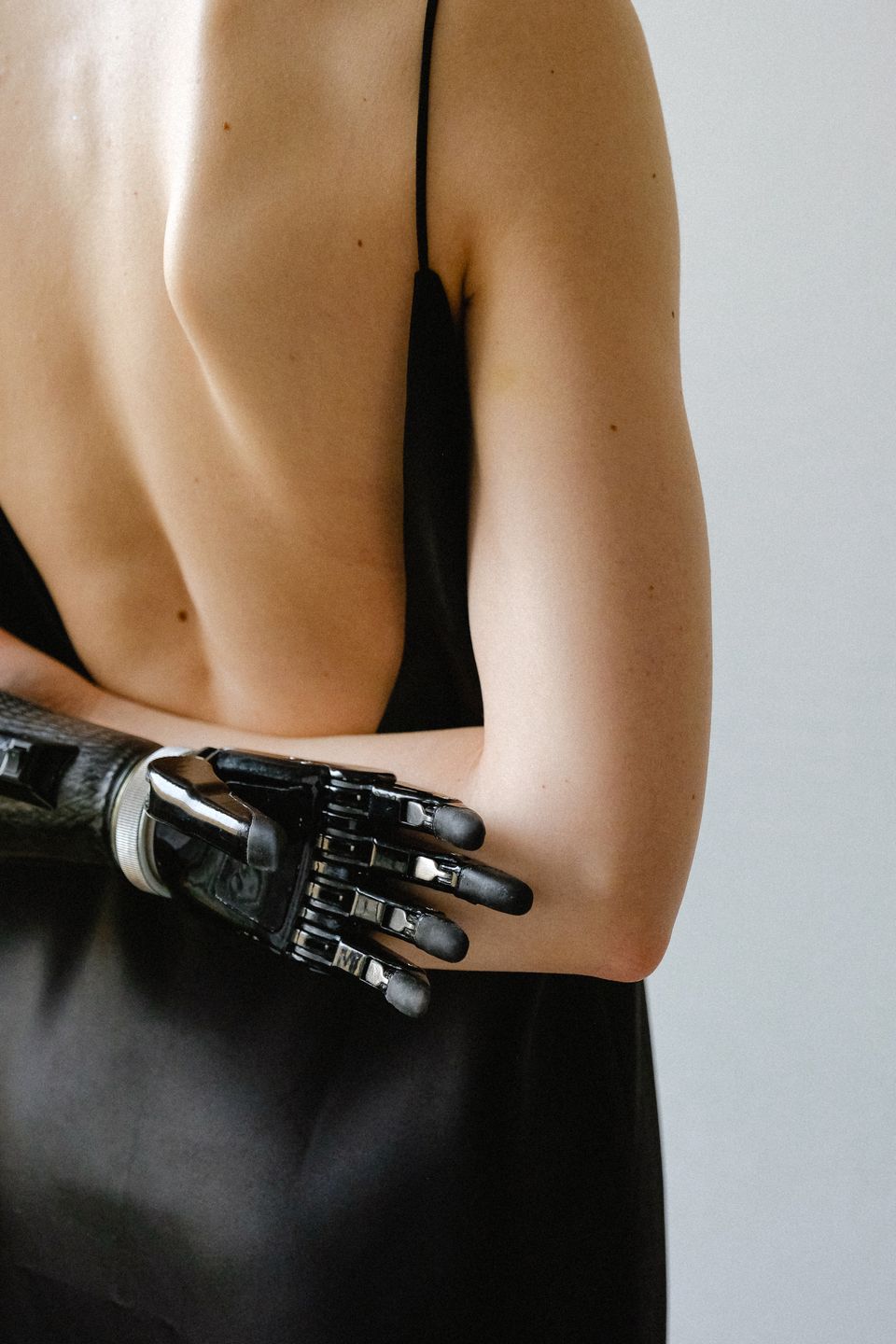
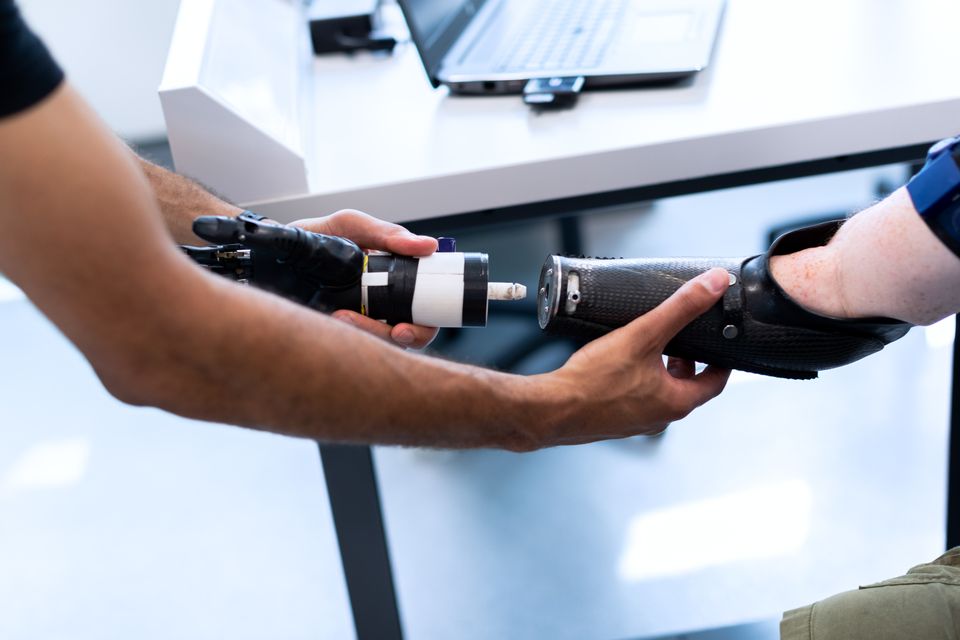
Myoelectric Arm
Battery-powered hand that opens and closes in response to muscle signals (EMG) on the residual limb. A natural-looking, low-effort option for transradial and transhumeral amputees.
Dual-site myoelectric control
Proportional speed grip
Lithium-ion, all-day battery
Body-powered
Body-Powered Device
Operated by a harness and cable system that opens or closes a hook or hand in response to shoulder movement. Simple, robust, and dependable in wet or dirty environments.
Voluntary-opening or closing
Stainless or aluminum hook
Feedback through cable tension
Silicone
Silicone Finger & Partial Hand
High-definition silicone restoration matched to skin tone, freckles, and nail detail. Restores natural appearance for partial-hand and finger amputations where surgical reconstruction isn't possible.
Custom color match
Reinforced silicone for durability
Suction or strap retention
Cosmetic
Passive Cosmetic Prosthesis
A non-functional but lifelike prosthesis that restores natural appearance. Often chosen when active function is not the priority, or as a complementary option alongside a body-powered or myoelectric device.
High-definition silicone glove
Lightweight foam core
No batteries, no maintenance
Adaptive
Adaptive & Recreational
Task-specific attachments for sports, music, and work — from a guitar-pick holder to a swimming paddle, a bicycle handle adapter, or a tool-grip terminal. Interchangeable on the same socket.
Quick-disconnect wrist unit
Custom-molded tool grips
Waterproof and sport-grade
Hybrid
Hybrid Hybrid-Elbow System
For transhumeral amputees — a body-powered elbow for gross positioning combined with a myoelectric hand for fine control. Reduces battery drain while preserving pinch function.
Locking elbow joint
Switchable control modes
Reduced component weight
Category 03
Spinal & orthotic braces
Custom-molded braces designed and fabricated from a 3D scan — to immobilize, to correct, or to support. The categories below cover the conditions we treat most often.
Thoracolumbosacral orthosis for post-trauma immobilization, post-surgical fusion protection, and adult degenerative deformity. Total-contact fit milled from a 3D torso scan.
Total-contact modular shell
Anterior or posterior opening
Custom liner system
AFO
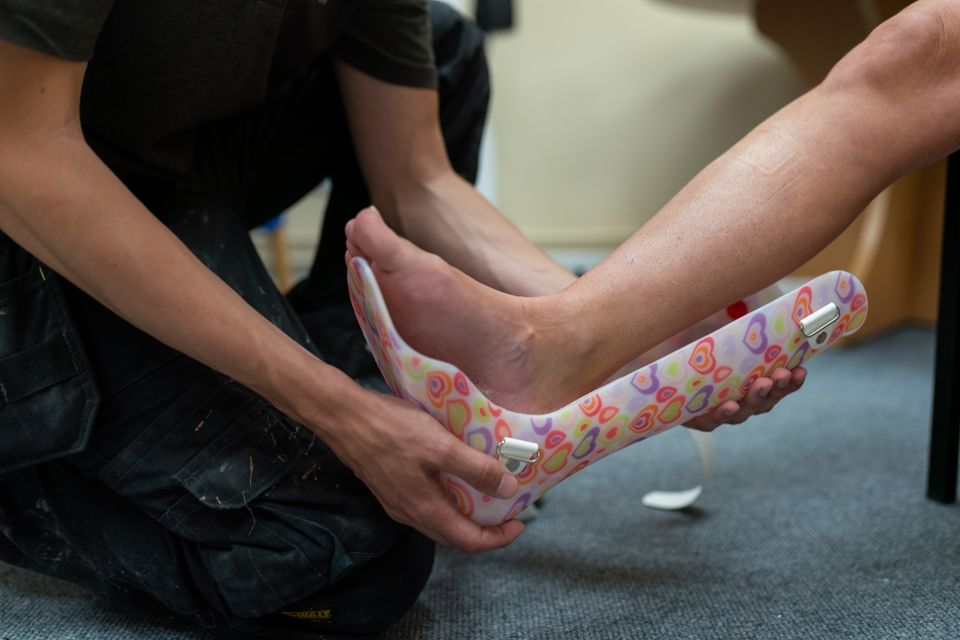
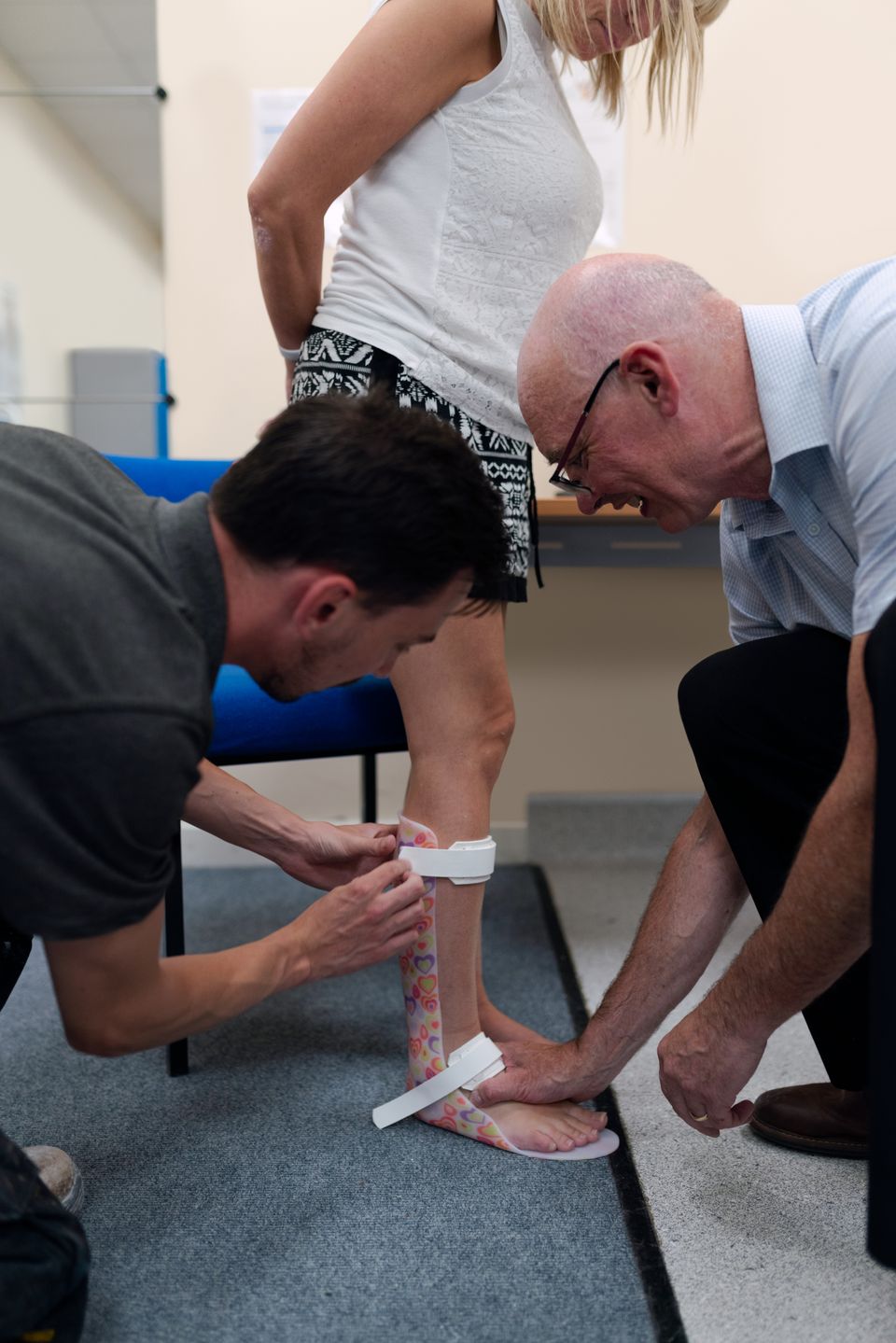
Ankle-Foot Orthosis (AFO)
For drop foot, post-stroke gait, and neuromuscular weakness. Carbon-fiber or thermoplastic designs that lift the foot in swing while allowing controlled motion at the ankle.
Solid or hinged ankle
Carbon energy-return strut
Discrete footwear fit
Knee
Knee Orthosis
Custom knee braces for ligament injury, osteoarthritis, and post-operative protection. Condylar pad system provides ligament support, hinge controls range of motion.
Adjustable drop-lock hinge
Unloading for OA
Carbon composite frame
Wrist-Hand
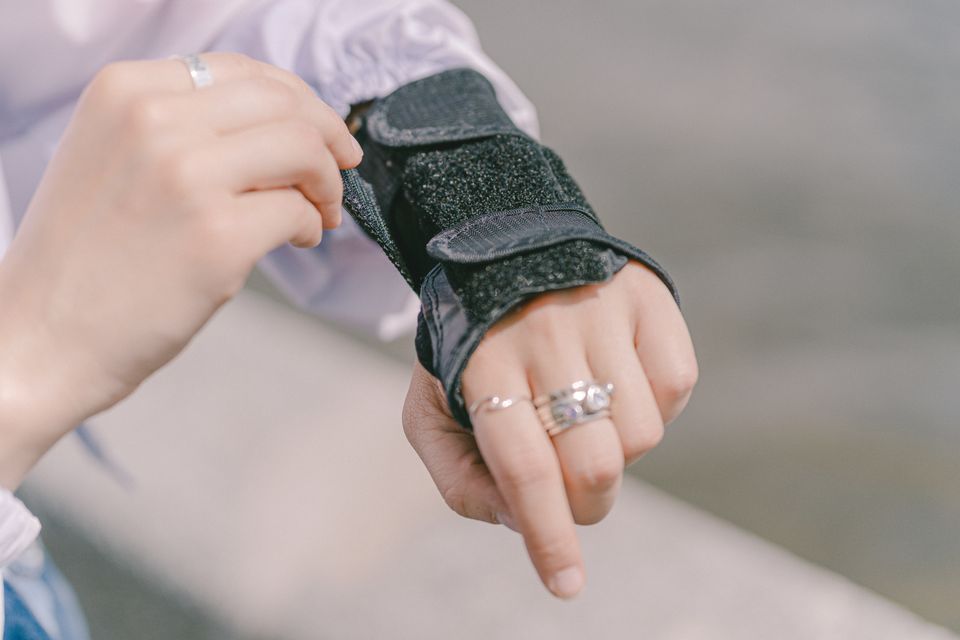
Wrist-Hand Orthosis
Static or dynamic splints for contracture management, post-stroke positioning, and post-surgical immobilization. Supports the wrist and hand in a functional resting position.
Thermoplastic low-temperature
Outrigger for dynamic
Removable for hygiene
Cervical
Cervical Orthosis
Custom-molded cervical collars for stable fracture management and post-fusion protection. Precise total-contact fit replaces generic foam collars for long-term wear.
Total-contact mandibular support
Washable padded liner
Front-opening for hygiene
Category 04
Custom foot orthotics
Calibrated insoles milled from a 3D scan of the plantar surface — to relieve pressure, offload ulcers, support fallen arches, and align the foot inside the shoe.
Sport
Sport Insoles
High-rebound EVA for runners, court sports, and hiking — controlling pronation and improving power transfer.
Diabetic
Diabetic Insoles
Multi-density offloading insoles with Plastazote top layer — protecting at-risk feet from ulceration.
Orthopedic
Orthopedic Insoles
For plantar fasciitis, flatfoot, and high arches — semi-rigid shell with posted rearfoot for biomechanical correction.
Pediatric
Pediatric Insoles
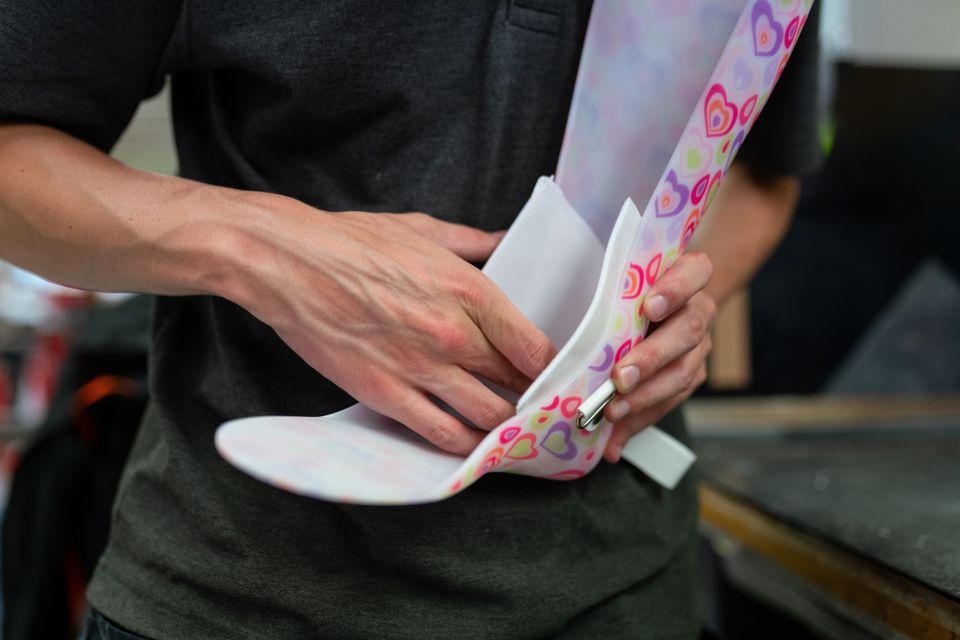
Colorful, washable insoles for children — with growth-tolerant arch support that adapts through each shoe size.
Category 05
Pediatric devices
Growth-aware devices that keep pace with the child. Built for safety, breathability, and frequent refits — with bright finishes children actually want to wear.
Infant
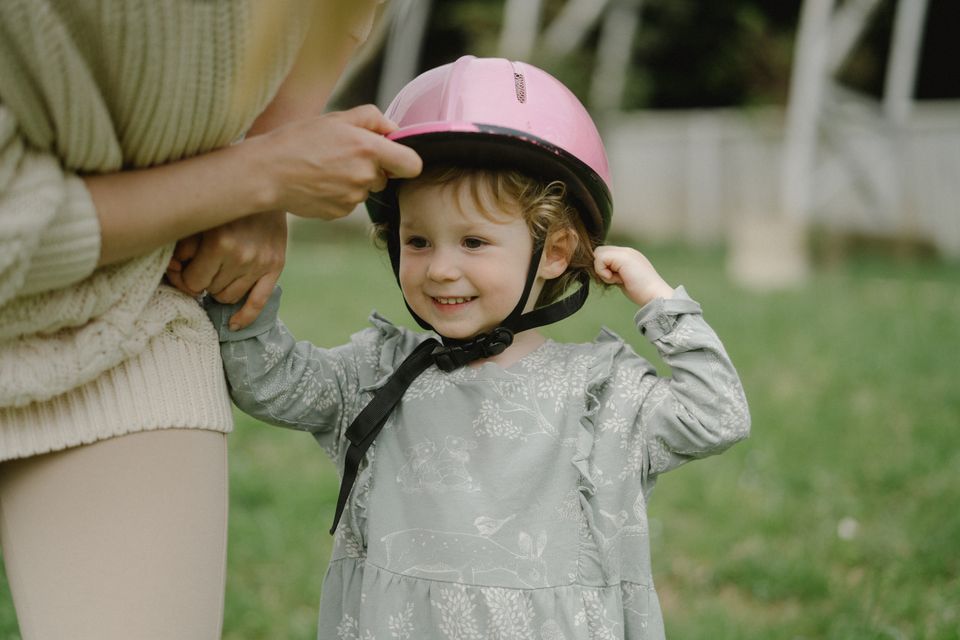
Cranial Remolding Helmet
For plagiocephaly and brachycephaly in infants 4–12 months. Lightweight, ventilated shell with relief zones guiding skull growth back to symmetry.
Modular brace for juvenile and early-onset scoliosis — opening at the front to allow chest expansion, expanded on a schedule matched to growth.
Anterior-opening shell
Expansion mechanism
Refit every 3–6 months
Standing
Standing Frame
Modular stander supporting children with limited mobility in upright posture — promoting hip development, bone density, and respiratory function.
Prone or supine configuration
Adjustable support pads
Growth-adjustable frame
Category 06
Molded seating & adaptive equipment
CAD/CAM-molded seating shells and adaptive equipment for severe neuromuscular conditions — distributing pressure, supporting posture, and protecting respiratory function.
Seating
Custom-Molded Seat Shell
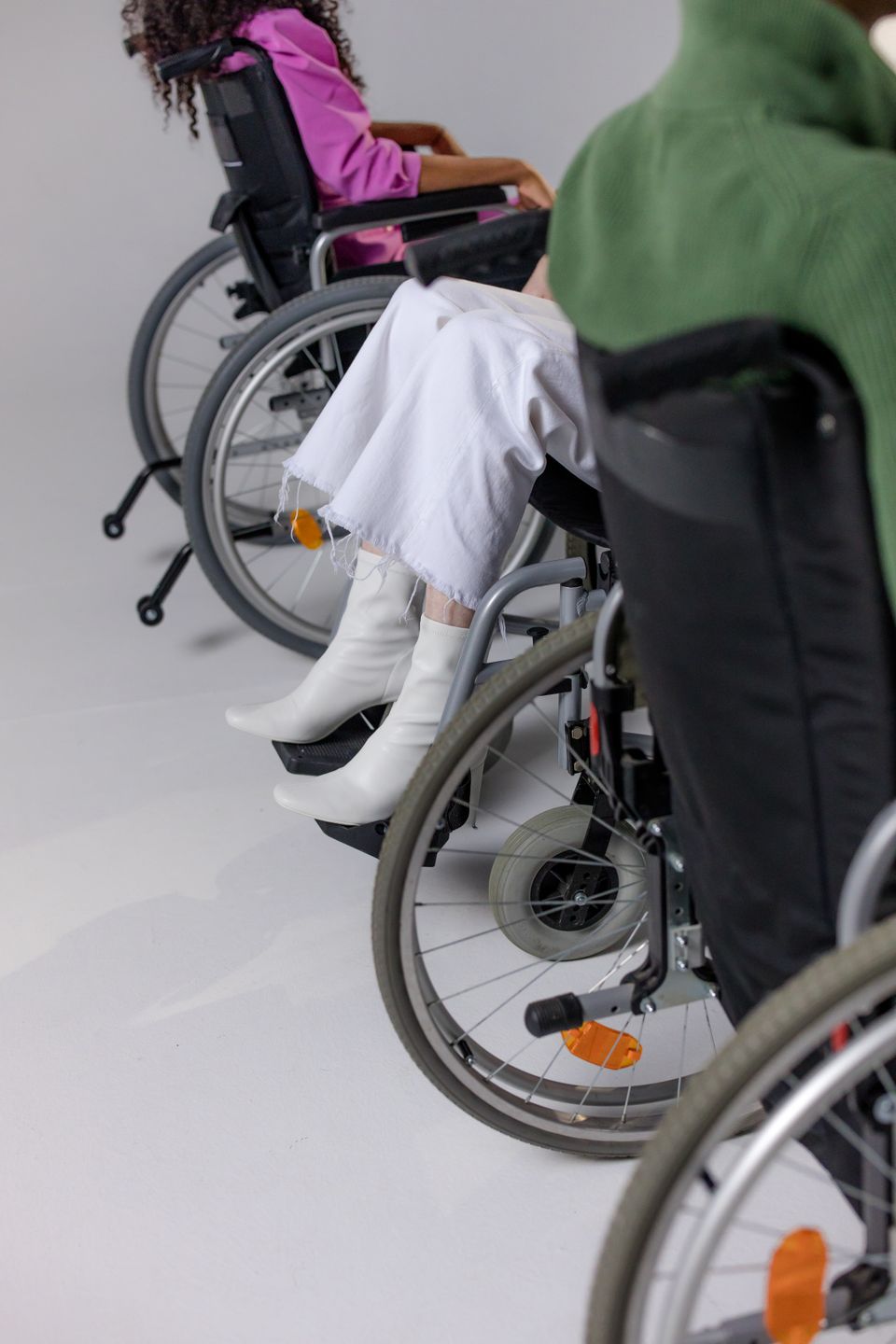
CAD-designed seating shell milled from a body scan — providing pelvic stability, spinal alignment, and pressure distribution for wheelchair users with complex posture.
Interface with any wheelchair
Pressure-relief contouring
Removable padded cover
Headrest
Custom Head Support
Molded headrest for patients with poor head control — providing symmetrical support, lateral stability, and a clear field of vision.
Lateral occipital support
Adjustable mounting hardware
Washable padded cover
Adaptive
Adaptive Trunk Support
Modular trunk and pelvic supports that interface with molded seating — added, adjusted, or removed as posture needs evolve over time.
Three-point control
Quick-release hardware
Multi-size pad options
Not sure which product fits?
Let a clinician recommend the right device
Bring your imaging, your questions, and your goals — our prosthetists and orthotists will match you to the right product, or design one that doesn't exist yet.