Orthopedic services, designed around each patient
From the first scan to lifelong follow-up, every OrthoCare service follows one philosophy: build the device around the patient, never the patient around the device.
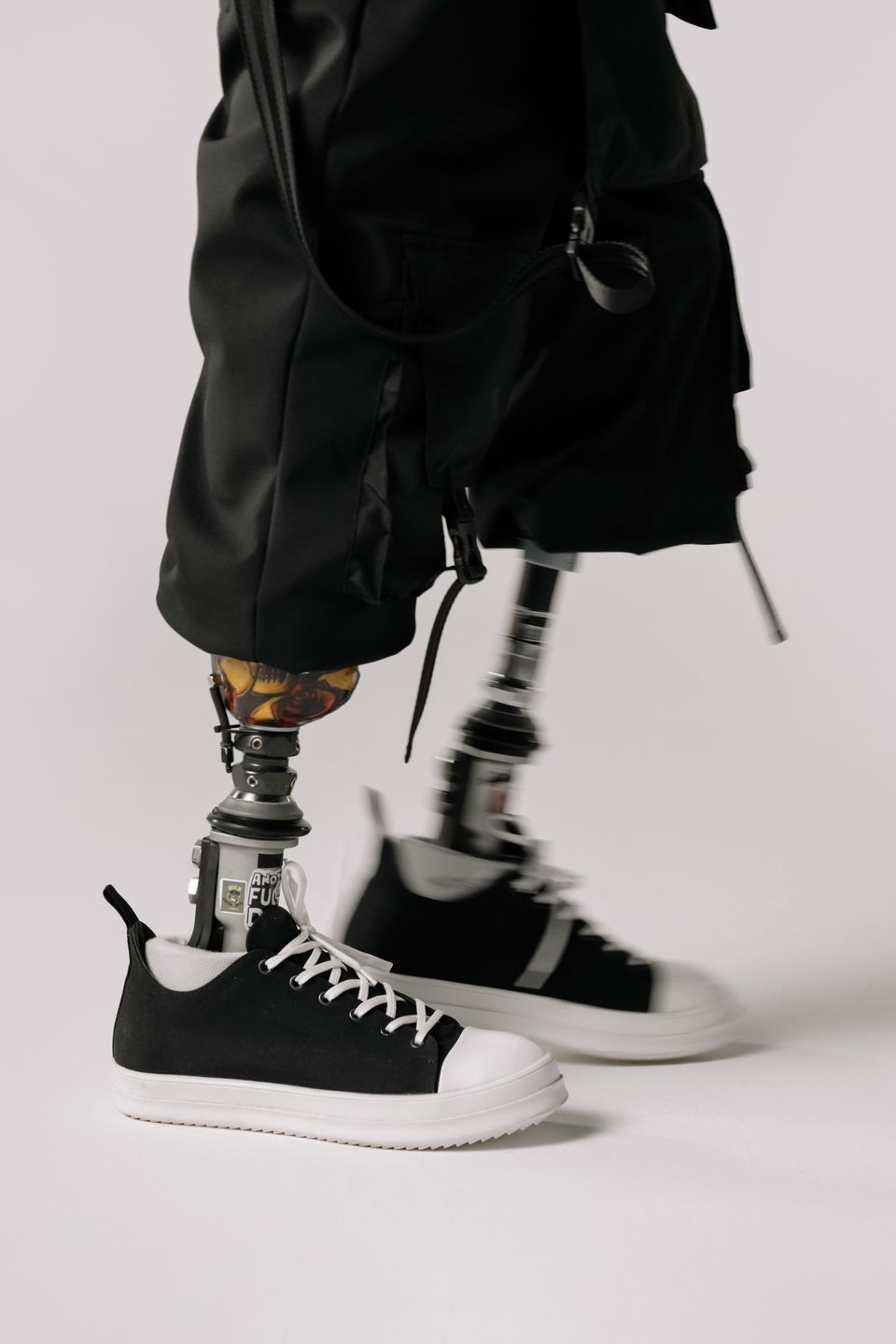
Prosthetics
Every prosthetic service at OrthoCare is guided by one belief: an artificial limb should extend the person, not replace them. We work with each patient to develop an assistive device specific to their needs — whether the amputation resulted from cancer, diabetes, vascular disease, or trauma. The result is a limb that fits comfortably, restores function, and grows with the patient's goals over time.
Custom-made prostheses are fabricated in-house using a blend of traditional prosthetic craft and modern CAD/CAM technology. Materials and components are selected based on activity level, anatomy, and the specific demands of the patient's daily life — from a quiet household to a competitive running track.
Lower-limb prosthetics
Below-knee (transtibial) prosthetics are used when the limb is severed below the knee with preservation of the natural knee joint. We provide custom-made prostheses with materials and components tailored to the patient's needs. It is important to follow up with your prosthetist at least every six months to address any issues as the residual limb changes in size and volume.
Above-knee (transfemoral) prosthetics are used when the limb is severed above the knee with preservation of the natural hip joint. Multiple options exist in terms of socket design, technology, materials, and componentry — including mechanical, polycentric, and microprocessor-controlled prosthetic knees. As with below-knee fittings, six-monthly follow-up is essential because the residual limb continues to change shape and volume over time.
Upper-limb prosthetics
The two most common causes of upper-extremity amputations are trauma or disease. Approximately 75% of upper-extremity amputations in adults are caused by trauma — motor-vehicle accidents, machinery accidents, gunshot wounds, or electrical burns. We offer the full spectrum of upper-limb solutions, tailored to the level of amputation and the patient's functional priorities:
- Myoelectric upper-extremity prosthetic — battery-powered, controlled by muscle signals on the residual limb.
- Passive functional or cosmetic upper-extremity prosthetic — restores natural appearance with optional basic function.
- Finger and partial-hand high-definition silicone prosthesis — lifelike restoration matched to skin tone.
- Adaptive or recreational device — task-specific attachments for sports, instruments, and tools.
- Body-powered or conventional device — operated by a harness system, simple and reliable.
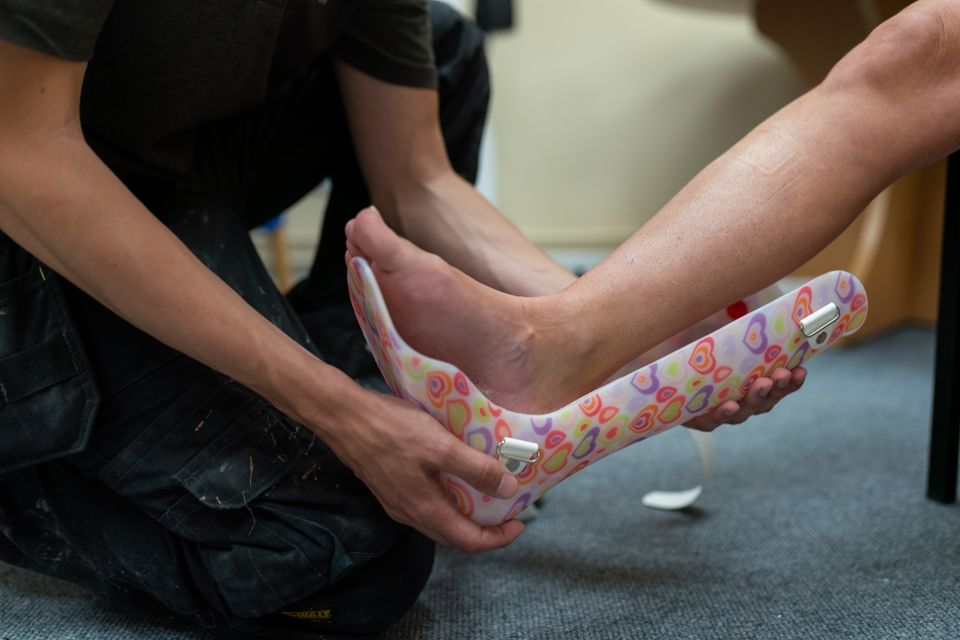
Orthotics
Orthotics is the science of designing, fabricating, and fitting custom bracing that supports, aligns, prevents, or corrects deformities of the musculoskeletal system. Unlike a prosthetic — which replaces a missing limb — an orthotic works with the existing limb to improve its function, relieve pain, or guide growth. Our certified orthotists treat the full range of upper-extremity, lower-extremity, and spinal conditions.
Upper-extremity orthotics
Custom braces for the shoulder, elbow, wrist, and hand — for post-surgical immobilization, contracture management, neurological conditions such as stroke or cerebral palsy, and chronic instability. Designs range from static positional splints to dynamic articulating braces that allow controlled motion during healing.
Lower-extremity orthotics
Ankle-foot orthoses (AFOs), knee-ankle-foot orthoses (KAFOs), and hip-knee-ankle-foot orthoses (HKAFOs) for drop foot, post-stroke gait, muscular dystrophy, spinal cord injury, and pediatric neuromuscular conditions. Each is fabricated from a 3D scan to ensure intimate contact and controlled forces exactly where the gait pattern requires them.
Spinal bracing
Thoracolumbar and cervical braces for fracture management, post-surgical immobilization, degenerative disc disease, and deformity correction. We design and manufacture both rigid and semi-rigid shells, including custom-molded TLSO jackets that deliver precise three-point corrective forces.
- Static, dynamic, and articulating designs
- Carbon-fiber, thermoplastic, and hybrid constructions
- Diabetic, arthritic, and pediatric specialty options
- Insurance documentation and clinical letters provided

Spine Deformities
Scoliosis, kyphosis, and other spinal deformities are not simply cosmetic concerns — left untreated, they can progress through growth, compromise respiratory function, and produce lifelong pain. Our spine service combines detailed clinical and radiographic assessment with custom CAD/CAM brace fabrication, growth-aware pediatric management, and seamless coordination with orthopedic surgeons when surgical referral is necessary.
Adolescent idiopathic scoliosis
For skeletally immature patients with curves in the bracing range (typically 25–45° Cobb), a custom Boston-style brace is the gold-standard conservative treatment. We design every brace from a 3D scan of the torso, apply corrective force vectors in CAD software, and CNC-mill the positive mold — delivering consistent, replicable, and biomechanically sound braces. Patients are followed with regular clinical and radiographic reviews until skeletal maturity.
Adult degenerative deformity
Adults with progressive scoliosis, sagittal imbalance, or post-surgical instability benefit from lighter, more flexible orthoses that relieve pain and protect healing segments. We design low-profile TLSO jackets and soft-shell hybrid braces that patients actually wear — improving compliance and outcomes.
Infantile and juvenile
Early-onset scoliosis requires a growth-friendly approach. We provide Mehta-style casting for infants and growth-guided bracing for juveniles, with frequent re-evaluation and adjustments to keep pace with rapid growth. Each cast or brace is revised on a schedule matched to the child's growth velocity.
- Digital scan replaces the plaster jacket — cleaner, faster, more accurate
- Brace reviews every 4–6 months through growth
- Coordination with your orthopedic surgeon's imaging schedule
- Breathable, low-profile shells for 18–23 hour wear compliance
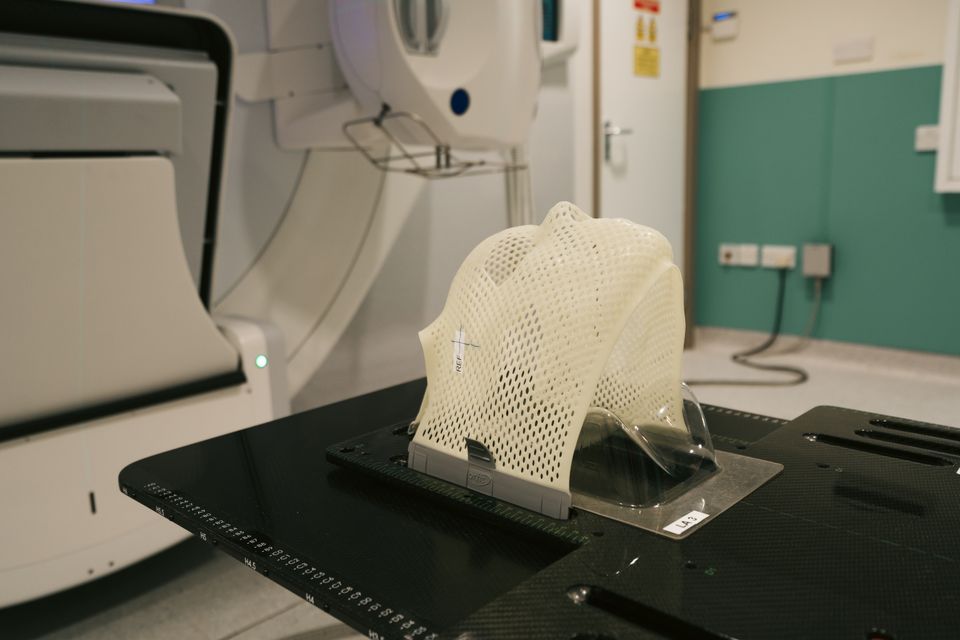
CAD/CAM Manufacturing
OrthoCare Center is a leader in CAD/CAM for prosthetics and orthotics manufacturing. From insoles and back braces to molded seating and cranial helmets — and everything in between — our in-house digital fabrication workflow replaces the plaster-and-hand-modification tradition with precision-milled and 3D-printed parts produced directly from a 3D scan of the patient.
The benefit is measurable: closer fit, consistent reproduction, faster turnaround, cleaner clinic experience, and an exact digital record that lets us rebuild an identical device years later if the original is lost or damaged. Patients who have experienced traditional plaster casting immediately notice the difference.
How the workflow runs
- 1. Scan. A handheld structured-light scanner captures the anatomy in seconds — no plaster, no mess.
- 2. Design. Our prosthetists modify the digital model in Canfit CAD software, applying rectification zones specific to the prescription.
- 3. Mill or print. A 5-axis CNC carves the positive mold from polyurethane foam, or a 3D printer builds the device directly in SLS or resin.
- 4. Thermoform. Plastic or carbon shells are drape-formed over the mold, then hand-finished by a certified technician.
- 5. Fit. The patient returns for trial fitting, alignment, and any final adjustments before delivery.
- Structured-light 3D scanning in clinic — no plaster casts
- Canfit software for X-ray-integrated brace design
- 5-axis CNC milling and SLS 3D printing on-site
- Permanent digital archive for every patient
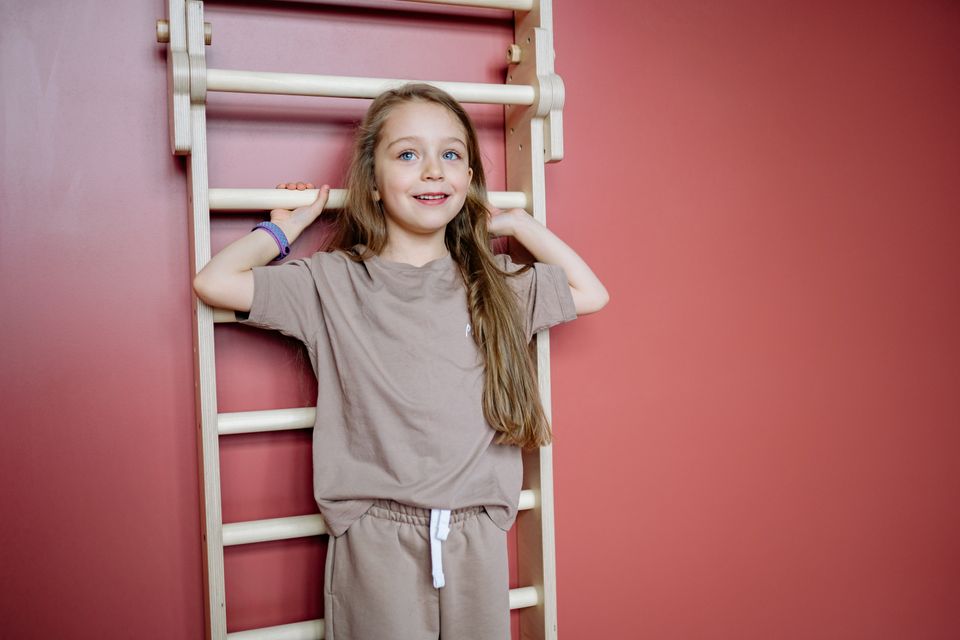
Pediatric Orthopedics
Children are not small adults. Their skeleton is still growing, their tissues are more elastic, and a device that fits perfectly today will be wrong in six months. Our pediatric service designs every orthosis and prosthesis around growth — building in expansion windows, swap-out schedules, and frequent reviews so the device keeps pace with the child, not the other way around.
Cranial helmetting for plagiocephaly
Positional head-shape deformities — plagiocephaly and brachycephaly — respond best to a remolding helmet worn between roughly 4 and 12 months of age, while the skull is still growing rapidly. Each helmet is milled from a 3D scan of the infant's head, with relief zones that guide growth back toward symmetry. We review and adjust the helmet every two weeks through the treatment window.
Molded seating and adaptive equipment
Children with severe neuromuscular conditions (cerebral palsy, spinal muscular atrophy, spinal cord injury) need seating that holds the pelvis, spine, and head in a stable, symmetrical posture. Our CAD/CAM-molded seating shells interface with the wheelchair, distributing pressure evenly and supporting respiratory function, feeding, and upper-limb control.
Growth-aware scoliosis bracing
For juvenile and early-onset scoliosis, we use Mehta-style casting for infants and growth-friendly modular braces for older children — with frequent re-evaluation to make sure the corrective forces stay accurate as the child grows taller and the spine changes shape.
- Family-centered consultation and education
- Bright, child-friendly device finishes and colors
- Coordination with pediatric PT, OT, and orthopedic surgery
- Quick turnaround for growth-driven refits
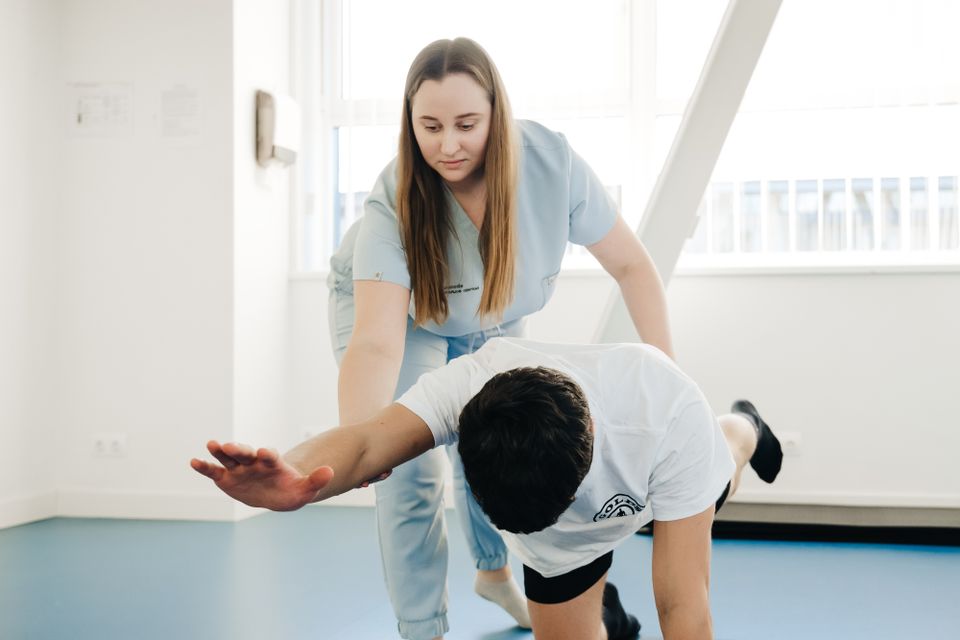
Follow-up & Lifetime Adjustment
A prosthetic or orthotic is not delivered — it is entered into. The residual limb changes in size and volume over time, the patient's activity level evolves, components wear, and growing children outgrow their shells. Our follow-up program is built around that reality: scheduled reviews, on-demand adjustments, and a permanent digital record so any change can be reproduced accurately years later.
Every device we deliver comes with free adjustments for the first ninety days and lifetime access to refits and repairs at predictable cost. Six-monthly scheduled reviews keep ahead of limb-volume change, skin breakdown, and component wear — catching small issues before they become major ones.
What's included
- Six-monthly scheduled reviews for every active device, at no charge.
- Socket re-fitting when limb volume has changed beyond what a sock ply adjustment can solve.
- Component repair and replacement — feet, knees, joints, straps, and silicone liners.
- Growth refits for pediatric patients on a schedule matched to growth velocity.
- Emergency loaner devices while a primary device is under repair.
Frequently asked questions
From the initial 3D scan to first trial fitting, most custom prostheses are delivered in two to four weeks. Complex microprocessor knees or myoelectric arms may require six to eight weeks because components are sourced from international suppliers. Interim post-operative prostheses can be produced within days when clinically required.
A referral is not strictly required for a consultation, but we strongly recommend one — and most insurers will request a letter from your physician or surgeon. Bring any imaging, surgical reports, and prior device documentation to your first appointment so our clinicians can build a complete clinical picture.
For lower-limb prostheses we recommend a review at least every six months because the residual limb changes in size and volume over time. Spine braces for growing children are reviewed every four to six months. Adult orthotics are reviewed annually unless symptoms change sooner. Anytime something feels off — pain, skin redness, looseness, or noise — book an unscheduled visit; that's what our adjustment service is for.
Yes. Pediatric orthopedics is one of our core services — covering cranial helmetting for plagiocephaly, growth-aware scoliosis bracing, congenital limb-deficiency prosthetics, and molded seating for neuromuscular conditions. Our clinicians are experienced in working with children and their families, and our devices are designed to grow with the child through scheduled refits.
Both our Zalka and Baabda clinics are wheelchair accessible and offer ground-floor examination rooms. For patients with severe mobility limitations, home visits within Greater Beirut and Mount Lebanon can be arranged on a case-by-case basis — please call us to discuss availability and scheduling.
Your first consultation is the start of it all
Bring your imaging, your questions, and your goals. We'll bring four decades of clinical expertise and an in-house CAD/CAM workshop.